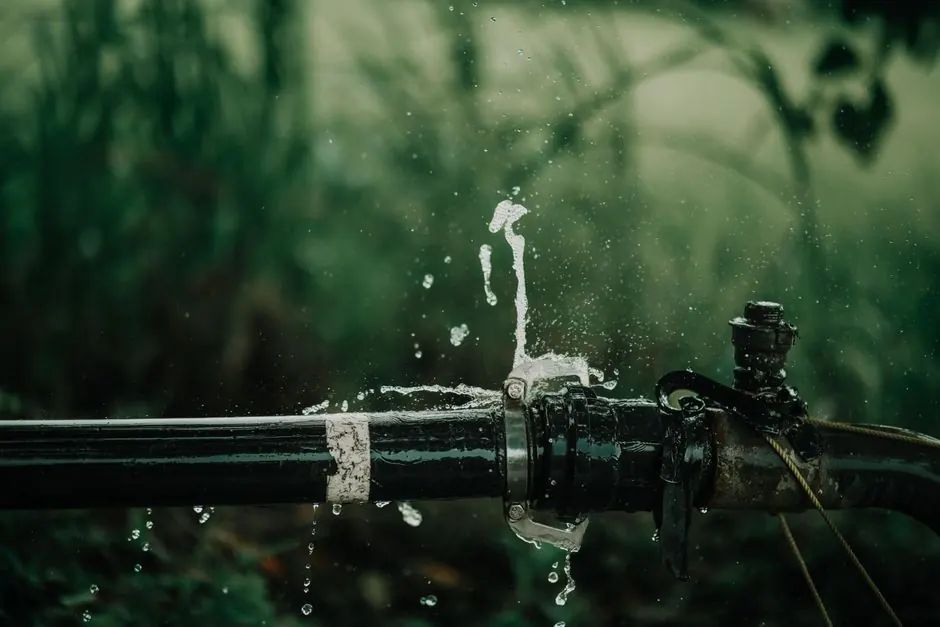
Water Heater Leaking: Can It Be Repaired?
You walk into the garage or laundry room and spot water pooling around your water heater. Your first thought is probably the expensive one: do I need a whole new unit?
Here's the honest answer: it depends on where the leak is coming from. A leak from a valve, fitting, or connection can almost always be repaired — that's a normal plumbing fix, not a new water heater. But a leak from the tank body itself cannot be repaired. Once the steel tank has corroded through, no patch or sealant will hold for long, and replacement is the only safe option.
So the real question isn't "can a leak be repaired" — it's "what kind of leak do I have?" This guide will help you figure that out, show you what to do in the next ten minutes, and tell you when to call a pro here in Lawrenceville.
First: What to Do in the Next 10 Minutes
A leaking water heater holds 40 to 80 gallons and stays connected to your home's water supply, which means a small drip can turn into a flooded room if you wait. Do these three things first, before you diagnose anything:
- Shut off the power. For an electric water heater, flip the breaker labeled for the water heater. For a gas unit, turn the gas control knob to OFF or PILOT.
- Shut off the cold water supply. There's a shutoff valve on the cold water pipe at the top of the unit — turn it clockwise to stop water feeding the tank.
- Contain the water. Mop up standing water and put towels around the base. If there's a floor drain nearby, guide water toward it.
If you smell gas at any point, skip everything else — leave the house and call your gas utility or 911 first.
Still leaking badly after the shutoff? That's what 24/7 emergency water heater repair is for — we serve Lawrenceville and all of Gwinnett County around the clock.
Leaks That Can Be Repaired
Good news first. A water heater is a steel tank with a collection of replaceable parts bolted onto it, and most leaks start at one of those parts — not in the tank. If your unit is under about 10 years old and the leak comes from any of these spots, a repair is usually all you need:
Loose or corroded pipe connections at the top. The cold-water inlet and hot-water outlet pipes enter through the top of the tank. These fittings can loosen over years of heat cycling, or corrode if the connections are aging. Tightening, resealing, or replacing the fitting is a straightforward fix.
The T&P relief valve. The temperature-and-pressure relief valve — usually on the top or upper side of the tank — is the unit's safety valve. If it's dripping, either the valve itself is worn or the tank is running too hot or over-pressurized. The valve can be replaced quickly. One critical warning: never plug, cap, or remove a leaking T&P valve. It exists to release dangerous pressure, and blocking it is genuinely unsafe. If the valve keeps discharging, have it checked right away.
The drain valve at the bottom. Many tanks ship with a basic plastic drain valve, and they crack or start dripping. Sometimes a quarter-turn with a wrench stops a minor drip; if not, a plumber can swap in a brass valve in one visit.
Heating element gaskets (electric models). The heating elements screw into the side of the tank, and the gaskets sealing them can wear out and weep. Replacing the gasket — and the element while you're at it — is a routine repair. We covered what's fixable on electric units in more detail in our guide to what's fixable on a water heater.
The anode rod port. The anode rod screws in through the top of the tank, and its fitting can develop a slow leak. It's usually just a worn seal at a fitting that gets opened during water heater maintenance.
The rule of thumb: every part of a water heater has a replacement part number — except the tank itself. If the tank is intact, the rest is repairable.
Leaks That Can't Be Repaired: A Leaking Tank Body
Here's the line where repair stops. The inside of the tank is lined with a glass-like coating that keeps water away from the steel shell. Over years of heating cycles, mineral buildup, and a worn-out anode rod, that lining can crack. Once water reaches bare steel, the tank corrodes from the inside out — and eventually it weeps, drips, or pools water from the tank wall or bottom seams.
A corroded tank cannot be patched. Welding or epoxying a pressurized water tank won't hold and isn't safe, so plumbers don't do it. When the tank body itself is the leak source, full replacement is the only fix.
Signs the tank itself is failing:
- Water pooling under the unit with no visible valve or fitting as the source
- Rust-colored or muddy water when you run hot water
- Visible rust, bulging, or corrosion on the tank jacket
- Rumbling or popping noises when the burner runs (heavy sediment stressing the tank)
- The unit is past 10–12 years old — the typical lifespan of a tank water heater
If you want the full rundown on the warning signs, our guide to common causes of water heater leaks goes deeper.
How to Tell Where Your Leak Is Coming From
You don't need to be a plumber to get a rough diagnosis before calling. Dry the area around the tank completely, lay down dry paper towels or newspaper around the base and under the pipes, then wait an hour and check where the wet spots appear:
- Top of the tank wet, base dry: almost certainly a connection, fitting, or valve — repairable.
- Side of the tank wet near an element cover (electric): likely a gasket — repairable.
- Base or seams wet, top dry: likely tank-body corrosion — replacement.
Can't pin it down? That's what professional water heater leak detection is for — finding the exact source matters, because it decides whether you're looking at a repair or a replacement.
The Age Rule: When a Repair Stops Making Sense
Leak location is half the decision. The other half is the unit's age:
| Unit age | Leaking valve or fitting | Leaking tank body |
|---|---|---|
| Under 8 years | Repair it | Replace it |
| 8–10 years | Usually repair it | Replace it |
| 10+ years | Evaluate case by case — if the estimate is close to half the cost of a new unit, replace | Replace it |
Insurance-industry claims data puts the average failed tank water heater at about 10.7 years old (Insurance Institute for Business & Home Safety), which lines up with what we see in Gwinnett County homes: once a unit is past a decade, a leak is usually the tank telling you its service life is ending.
We built a fuller version of this decision in our repair or replace guide — worth a read if your unit is in that gray zone.
How Much Does It Cost to Fix a Leaking Water Heater?
Costs track the leak type, not the scare:
- Tightening a fitting: often just the service call — some fixes cost nothing but a plumber's time.
- Replacing a drain or T&P valve: the part is inexpensive; a plumber's labor for the swap typically runs $150 to $400 depending on access.
- Full tank replacement with professional installation: generally $1,300 to $2,500 depending on the model, venting, and any code upgrades needed.
Our water heater repair cost guide and replacement cost breakdown have the full 2026 numbers for Lawrenceville homeowners.
How to Keep It From Happening Again
You can't make a tank last forever, but you can buy it extra years:
- Flush the tank annually to clear sediment — especially important here, since Gwinnett County water carries enough minerals to build up fast inside a tank.
- Replace the anode rod on schedule. It's the sacrificial part that protects the tank lining from corrosion — when it's gone, the lining is next.
- Test the T&P valve yearly by briefly lifting its lever (a healthy valve releases a burst of water into the discharge pipe, then seals shut).
- Check your water pressure. Chronically high pressure makes the T&P valve discharge more often and strains every joint in the system.
- Look at the tank once in a while. A two-minute visual check for damp fittings, rust streaks, or drips catches most leaks early.
All of this is covered step by step in our annual water heater maintenance guide.
Leaking Water Heater in Lawrenceville? Get a Straight Answer
A puddle around your water heater doesn't automatically mean a new unit — but the only way to know is to find the actual source of the leak. Water Heater Pros has been fixing and replacing water heaters across Lawrenceville and Gwinnett County for 15+ years. We'll tell you honestly whether yours can be repaired or whether replacement is the smarter move, and we back every job with upfront pricing.
Call (770) 796-7565 — or request 24/7 emergency water heater repair if the leak is active right now. The sooner you catch it, the smaller the water damage bill.
Frequently Asked Questions
Can a leaking water heater be repaired? Yes — if the leak is from a valve, fitting, or connection rather than the tank itself. T&P valves, drain valves, pipe fittings, and element gaskets are all standard, affordable repairs. A leak from the tank body or its seams cannot be repaired; the unit must be replaced.
Is a leaking water heater dangerous? It can be. Standing water damages floors and breeds mold, a corroded tank can burst, and a malfunctioning T&P valve is a pressure hazard. Never cap or plug the T&P valve. If you smell gas, leave the house and call your gas utility or 911 before doing anything else.
Can I still use a water heater that is leaking? You shouldn't. Running a leaking unit risks water damage that far exceeds the cost of the repair, and a tank leak only gets worse — it never improves on its own. Shut off the power and water, then call a plumber.
How long does a leaking water heater last before it fails completely? There's no safe window. A small fitting leak might drip for weeks, but a tank-body leak can split open suddenly and release the full tank — 40 to 80 gallons — in minutes. Treat any leak as something to fix this week, not next month.
Should I repair my water heater or replace it if it's leaking and old? If the unit is past 10–12 years old and the tank itself is leaking, replace it. If it's younger and the leak is from a replaceable part, repair usually wins. When the repair estimate approaches half the cost of a new unit, replacement is generally the better investment.