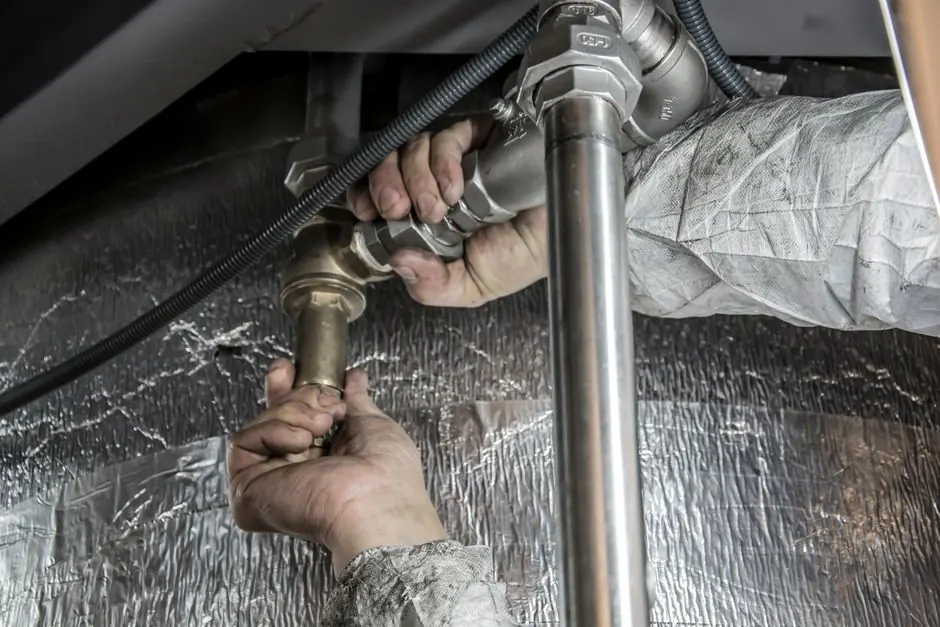
How to Repair a Water Heater (Common Fixes & When to Call a Pro)
The most common water heater repairs are things most homeowners can handle in under an hour: resetting a tripped breaker, pressing the high-limit reset button, adjusting the thermostat, relighting a pilot light, flushing sediment, or tightening a loose fitting. Repairs involving gas connections, 240-volt wiring, or a leaking tank are not DIY — those belong to a licensed professional. Here's the full playbook, in the order you should try things.
Safety First: Two Rules Before You Touch Anything
Smell gas? Stop everything. Don't relight anything, don't flip switches, don't troubleshoot. Leave the house and call your gas utility or 911, then call a plumber. Gas problems are never DIY.
Cut the power or gas before opening anything. On an electric heater, switch the breaker off — not just the thermostat — before removing an access panel. On a gas heater, turn the gas valve to the pilot or off position per the manufacturer's instructions before working around the burner. Most water heater injuries come from skipping this step, not from the repair itself.
With those clear, here's what you can actually fix.
The Five Most Common Fixes, In Order
Start at the top and work down. The fixes are ordered by how often they solve the problem, so most people never need to go past the first two or three.
1. Reset a Tripped Breaker or High-Limit Switch (Electric)
A tripped breaker is the single most common cause of sudden no-hot-water calls on electric heaters. Check your breaker panel, reset it once, and wait a couple of hours. If it trips again, stop — that's an electrical fault (often a grounded heating element) and repeated resets can damage the wiring.
Next, press the red high-limit reset button behind the upper access panel (power off first). This safety switch trips when the tank overheats. One press that stays pressed means you got lucky — the thermostat likely glitched once. A reset that keeps tripping means the thermostat or an element is failing and needs professional attention. If you're unsure what's causing the failure, run through the symptom-matching steps in our water heater troubleshooting guide first.
2. Set the Thermostat to 120°F
An incorrect thermostat setting causes an outsized share of "not enough hot water" and "water too hot" complaints. Check the thermostat and set it to 120°F — the standard recommended setting. Then give the tank a few hours to catch up before judging the result.
If the temperature swings wildly between lukewarm and scalding, or it won't hold the setting you choose, the thermostat itself is stuck or failing. Replacing a thermostat is a routine professional job — see our thermostat replacement service for what's involved.
3. Relight the Pilot Light (Gas)
A pilot light that went out is one of the easiest gas-heater repairs there is. Follow the relighting instructions printed on your unit's side panel or in the manual — turn the gas valve to pilot, hold it, ignite, and confirm the flame stays lit.
If the pilot won't stay lit, the usual culprit is the thermocouple: the small safety sensor that tells the gas valve a flame is present. Thermocouple replacement is a standard, affordable professional repair. And if you ever smell gas during this process, stop immediately and leave the house (see the safety rule above).
4. Flush Sediment Out of the Tank
Popping, rumbling, or banging sounds — and hot water that runs out faster than it used to — are almost always sediment. Minerals settle on the tank bottom and bake into a crust; water trapped under the crust boils and pops as the burner or element fires. Sediment also displaces water, so the tank effectively holds less hot water.
A homeowner flush is straightforward: turn off power or gas and the cold-water inlet, connect a garden hose to the drain valve, and drain until the water runs clear. For Lawrenceville homes, once a year is the baseline; parts of Gwinnett County have harder water, where every six months is safer. Our water heater maintenance guide walks through the full schedule. If the noise persists after a thorough flush, the sediment has hardened and a professional sediment flush may clear what a DIY drain can't.
5. Tighten Loose Fittings or Replace a Small Part
Water dripping from the top of the tank, the drain valve, or a supply-line connection is usually a fitting, valve, or connection — all standard repairs. Try gently tightening the fitting with a wrench (never overtighten; you can crack the fitting or damage the tank). If tightening doesn't work, the part needs replacing.
Some small parts are genuinely DIY-friendly with basic tools: a leaking drain valve can be unscrewed and swapped, and a faulty T&P relief valve replaced — just make sure the valve was actually faulty rather than doing its job against real overpressure. But know the line: water seeping from the tank body or a seam means the steel has corroded through, and a tank cannot be patched. That's a replacement, not a repair. We cover every leak location in Can a Leaking Water Heater Be Repaired?.
When to Call a Professional — The Stop Rules
Knowing when to stop is as important as knowing what to try. Call a licensed pro when:
- The tank itself is leaking. Seams, welds, and the tank body are unfixable — full stop.
- Gas work is involved. Gas lines, the gas control valve, combustion parts, and venting are professional-only.
- 240-volt electrical parts are involved. Heating elements, thermostats, and internal wiring carry serious shock risk and code requirements.
- The breaker keeps tripping or the reset button won't stay in — that's an electrical fault, not a reset problem.
- The water won't stop being scalding after a thermostat adjustment — stuck thermostats can overheat the tank.
- You're not sure what you're looking at. A diagnostic visit is cheap compared to a cracked fitting or a flooded garage. Our emergency water heater repair page covers what counts as urgent.
Also know the 50% rule: if a repair estimate approaches half the cost of a new installed heater — especially on a unit past 10–12 years — replacement is usually the better investment. Our repair-or-replace guide walks through the math, and you can see typical numbers in our water heater repair cost guide (most repairs land between $150 and $700, averaging about $616).
One piece of good news: repairing a water heater — replacing an element, thermostat, valve, or anode rod — does not require a plumbing permit in Georgia. Permits apply to full replacements, as we explain in our permit guide. So you never need to wait on paperwork to fix a part on your existing unit.
A Quick Note on Tankless Units
If you have a tankless heater, the DIY list is shorter: clean or replace the inlet filter, descale per the manufacturer's procedure, and reset the unit after a power blip. Descaling is the big one — mineral buildup on the heat exchanger causes most tankless trouble — and in hard-water areas it's annual maintenance, not a repair. Our tankless maintenance guide has the full procedure.
Still Stuck? Get a Pro in Lawrenceville, GA
If you've worked through the fixes above and the hot water still isn't right — or you hit one of the stop rules — that's exactly what Water Heater Pros is here for. We diagnose and repair water heaters across Lawrenceville and Gwinnett County, and most standard repairs are completed the same day. Reach out through our contact page or call for a straightforward quote.
Frequently Asked Questions
Can I repair my water heater myself?
Yes for the basics: resetting a tripped breaker, pressing the high-limit reset, adjusting the thermostat, relighting a pilot light, flushing sediment, and tightening a loose fitting are all fine for a confident homeowner. Stop and call a licensed professional for gas connections, 240-volt electrical parts, and anything involving the tank body itself.
What should I do first when my water heater stops working?
Check the two-minute fixes first: the circuit breaker (electric) or the pilot light and gas valve (gas). Those two checks resolve a large share of sudden no-hot-water calls. If those are fine, press the high-limit reset button and confirm the thermostat is set to 120°F.
How much does a water heater repair cost?
Most standard repairs fall between $150 and $700, with a national average around $616. The price depends on the part, the labor time, and whether it's an emergency call. See our detailed repair cost guide for a breakdown by repair type.
Do I need a permit to repair my water heater in Georgia?
No. Replacing a part on your existing unit — an element, thermostat, valve, or anode rod — is a repair and normally needs no permit. Installing a new unit, even an identical model, is a replacement and requires a plumbing permit and inspection.
When should I stop repairing and replace the water heater instead?
Use the 50% rule: if the repair costs more than half of a new installed heater, replacement usually wins — especially past 10–12 years. Hard stop signs include a leak from the tank body, rust-colored hot water, and repeated breakdowns within a short span.