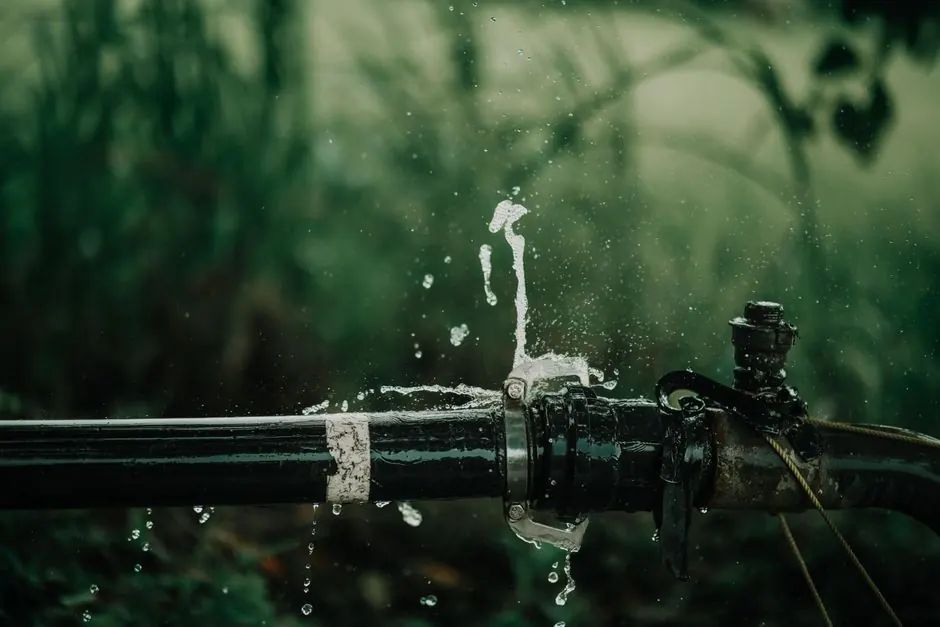
Water Heater T&P Valve Leaking or Dripping: Causes and Fixes
If water is dripping from the pipe on the side of your water heater, here's the short answer: your temperature and pressure (T&P) relief valve is either doing its job — releasing pressure or temperature that got too high — or the valve itself has failed and can't seal shut anymore. A few drops now and then after the heater runs is often just thermal expansion; a steady drip, a stream, or water pooling on the floor is a problem to fix promptly, not something to mop up and forget. The pattern of the drip tells you a lot about the cause, and this guide will help you read it.
What the T&P Valve Does — and Why It Matters
The T&P valve is the small brass valve near the top of your water heater, with a lever on it and a discharge pipe running down toward the floor. It's the water heater's main safety device. It stays closed during normal operation, but it's designed to open automatically if the water inside the tank gets too hot — about 210°F — or the pressure climbs too high — about 150 psi — releasing hot water through the discharge pipe until conditions return to safe levels.
Without a working relief valve, pressure inside a sealed tank has nowhere to go. That's why every guide, plumber, and manufacturer says the same thing, and it's worth saying up front: never cap, plug, or put a shut-off valve on the T&P discharge pipe. A homeowner who plugs a drip to stop the annoyance is disabling the one safety device standing between a pressure problem and a ruptured tank. If the valve is dripping, fix the cause — don't block the symptom.
First 10 Minutes: What to Do Right Now
How urgent this is depends on how much water is coming out:
Light, occasional dripping: Put a bucket or towel under the discharge pipe, note when it drips (only while the heater is running? all the time?), and work through the diagnosis below. You don't need to shut the heater down for a light drip, but don't ignore it either — a drip that starts small tends to get worse, and the water damage adds up quietly.
Steady stream, heavy discharge, or very hot water coming out: Turn the heater off — the breaker for an electric heater, or the gas control to "pilot" or "off" for a gas heater — shut off the cold water supply to the heater, and open a hot-water tap somewhere in the house to relieve pressure. Then call a plumber. A heavy discharge means the system is genuinely over-pressurized or overheating, and that's not a wait-and-see situation.
Any gas smell, scorching, or a tank that feels dangerously hot: leave the area and call your gas utility or a plumber right away. Don't relight anything yourself.
Read Your Drip: What the Pattern Points To
Before you replace anything, match what you're seeing to the most likely cause:
| What you see | Most likely cause | How urgent |
|---|---|---|
| Drips only while the heater is heating, stops after | Thermal expansion on a closed system | Moderate — fix soon |
| Constant slow drip, day and night | Worn valve or sediment on the valve seat | Moderate — valve likely needs replacing |
| Drips more after heavy hot-water use (showers, laundry) | Thermal expansion | Moderate — expansion control needed |
| Starts dripping right after you tested the lever, won't stop | Valve didn't reseat (mineral buildup on the seat) | Moderate — valve likely needs replacing |
| Large discharge or continuous stream | Excessive pressure or overheating | High — shut down and call a pro |
| No water at all when you lift the test lever | Valve stuck shut | High — replace immediately |
That table is the key to avoiding the most common mistake with this problem: replacing the valve and watching the new one start dripping too. If the real cause is pressure or expansion, a new valve will do exactly what the old one did, because it's responding to the same conditions. Plumbers tell the story of homeowners who replaced three valves before anyone checked the system pressure — the valve was doing its job all along.
Cause 1: Thermal Expansion (the Most Common One)
When water heats up, it expands — by roughly 2% of its volume. On a 50-gallon heater, that's roughly half a gallon of extra water with every heating cycle. In an older "open" plumbing system, that extra water simply pushed back into the city main. But most modern Lawrenceville homes have a pressure-reducing valve, check valve, or backflow preventer on the main line, which stops water flowing backward. The system is "closed," so the expanding water has nowhere to go and pressure climbs until the T&P valve lets some out.
Signs this is your cause: the drip happens only during or after heating cycles, stops when the heater sits idle for hours, and your home has a pressure-reducing valve or backflow preventer. The fix isn't a new valve — it's an expansion tank on the cold water line, which absorbs the extra volume so pressure stays stable. Our guide on the water heater expansion tank explains how to tell if your system is closed, what size tank you need, and what it costs. On a closed system, Georgia's plumbing code expects thermal expansion control, so a new water heater install there should include one.
Cause 2: High Household Water Pressure
If your home's water pressure runs above 80 psi, the T&P valve can weep or discharge even when nothing else is wrong. High pressure also wears out faucet seals, toilet fill valves, and appliance hoses over time, so it's worth checking even if the valve is your only symptom.
You can check it yourself with a pressure gauge that screws onto an outdoor hose bib — they're inexpensive at any hardware store. Normal household pressure is usually in the 40–60 psi range. If yours reads above 80 psi, the fix is a pressure-reducing valve (PRV) on the main line, adjusted to bring pressure back into the normal range — a job for a plumber, since it involves cutting into the main supply. If you already have a PRV, it may have failed or drifted out of adjustment, which a plumber can test and reset.
Cause 3: Thermostat Set Too High (or a Faulty Thermostat)
Water heaters are commonly set to 120°F, which is hot enough for showers and dishwashing and cool enough to avoid scalding and excessive pressure. If the thermostat is set much higher — or if it's faulty and keeps heating past its setting — water temperature climbs toward the valve's 210°F trip point and the valve starts releasing.
Check the thermostat setting first; it's the one genuinely free fix on this list. On a gas heater, the dial is on the gas control valve at the bottom of the tank; on an electric heater, thermostats sit behind access panels (turn the breaker off before opening them). If the setting is already at 120°F but the water at the tap is scalding hot, or the heater seems to run constantly, the thermostat or heating element may be failing — stop using the heater and have it inspected rather than guessing at parts. Our troubleshooting guide walks through overheating symptoms in more detail.
Cause 4: A Faulty Valve or Sediment on the Seat
Sometimes the valve itself is the problem. The spring inside weakens with age, and mineral buildup — common in Gwinnett County's harder water — can settle on the valve seat so it can't seal fully after it opens. This is the classic "constant slow drip" pattern, and it's also what happens when a valve is tested and then won't stop dripping afterward: lifting the lever let a bit of sediment onto the seat.
You can test the valve by lifting its lever briefly and letting it snap back — a healthy valve releases some water, then seals. A few warnings: the water will be hot, so keep hands clear and wear gloves, and do this test over the discharge pipe, not over yourself. If the valve releases nothing at all when tested, it's stuck shut and needs replacing immediately — a stuck valve can't protect the tank. If it keeps dripping after the test, the seat is compromised and the valve should be replaced, not repaired.
Manufacturers commonly recommend replacing T&P valves every 3–5 years as preventive maintenance, even when they look fine. An untested, aging valve may have quietly seized shut, which is the dangerous failure mode — it looks like nothing is wrong right up until the day it's needed.
What a T&P Valve Replacement Involves
Replacing the valve means shutting off power or gas and the cold water supply, draining part of the tank, unscrewing the old valve, and installing a new one rated for your heater's pressure and temperature — then refilling and checking for leaks. The part itself is inexpensive, and installed replacement typically runs roughly $70–$150 depending on access and local rates. It is a job most homeowners hand to a plumber: you're working with pressurized hot water, and the replacement must be rated correctly for the specific heater. Our guide on whether a leaking water heater can be repaired covers which leaks are simple fixes and which mean replacement, and our how to repair a water heater guide draws the DIY-versus-pro line for common jobs.
One more thing not to do: don't keep testing a dripping valve over and over hoping it reseats. Repeated testing on a scaled-up valve often makes the drip worse, not better. Test once, note the result, and act on it.
Prevention: Keep the Valve (and the System) Healthy
Fold the T&P valve into your annual maintenance routine — the same visit where you flush sediment and check the anode rod (see our water heater maintenance guide):
- Test the valve once a year by lifting the lever briefly. It should release water and seal again.
- Check house pressure once a year with a hose-bib gauge. Catching a failed PRV early saves more than the valve.
- Keep the thermostat at 120°F unless you have a specific reason to go higher.
- If you have an expansion tank, check it too — tap it once a year; hollow on top and solid on the bottom is healthy, and a waterlogged tank protects nothing.
- Replace the valve on schedule — every 3–5 years, or sooner if it drips after testing or shows corrosion.
When to Call a Pro in Lawrenceville
Call a plumber promptly if the discharge is heavy or continuous, the valve won't reseat after testing, the water is scalding hot, the valve releases nothing when tested, or you've already replaced the valve and the drip came back — that last one almost always means pressure or expansion is the real problem, and it needs a pressure test and possibly an expansion tank or PRV adjustment to fix for good.
Water Heater Pros serves Lawrenceville and Gwinnett County every day — we'll test your water pressure, check whether your system is closed, and replace the valve or add the expansion control that's actually causing the drip, so you're not paying for a third valve that drips like the first two. Call us at (770) 796-7565 for a free quote, or start with our water heater replacement and emergency repair pages if the situation can't wait.